
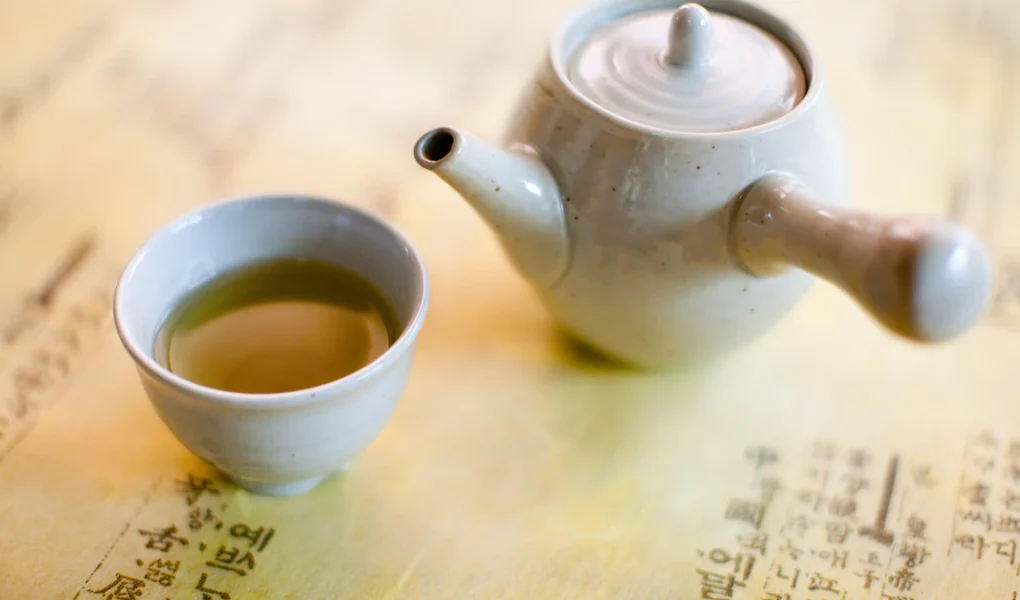
Korean tea culture has evolved into a refined tradition that blends craftsmanship, mindfulness, and natural harmony. Within this context, Steep Atlas tea guide represents a conceptual lens for understanding how tea, teaware, and heritage interconnect in Korean life. From ancient court rituals to modern tea rooms, Korea’s tea practices emphasize balance, simplicity, and respect for nature. Tea is not just a drink but a cultural expression shaped by centuries of philosophy, artistry, and daily ritual. Exploring Korean tea means stepping into a world where each cup carries history and intention.
What defines Korean tea heritage?
Korean tea heritage is defined by its deep connection to spiritual traditions and seasonal living. Influenced by Buddhism and Confucian values, tea drinking became a way to cultivate mindfulness and discipline. Monks used tea to support meditation, while scholars embraced it as part of intellectual gatherings. Over time, tea became a symbol of refinement and humility. Unlike fast commercial consumption, Korean tea heritage encourages slow appreciation of aroma, temperature, and atmosphere. This cultural foundation continues to shape modern interpretations of tea practice in Korea today.
How is Korean tea traditionally prepared?
Traditional Korean tea preparation focuses on purity, simplicity, and natural balance. Leaves are often steeped gently at controlled temperatures to preserve delicate flavors. The process avoids excessive additives, allowing the natural character of tea to shine. Water quality plays an essential role, as clean, soft water enhances taste and clarity. Preparation is not rushed; instead, it is treated as a mindful act that reflects respect for both nature and guest. This method highlights the philosophical belief that tea should calm the mind and harmonize the body.
What types of Korean tea are most valued?
Korean tea varieties include both traditional leaf teas and herbal infusions. Korean teaware guide remains highly valued for its light, grassy flavor and health benefits. Barley tea, or bori-cha, is widely consumed in everyday life and often served chilled or warm. Omija tea, made from magnolia berries, is known for its complex five-flavor profile. Yujacha, a citrus-based tea, is especially popular during colder months for its comforting sweetness. These teas reflect Korea’s agricultural diversity and seasonal awareness, making them integral to both daily routines and ceremonial settings.
What role does teaware play in Korean tea culture?
Teaware is an essential part of Korean tea tradition, shaping both the aesthetic and functional aspects of tea preparation. Ceramic bowls, porcelain cups, and handmade teapots are commonly used, often reflecting natural textures and earthy tones. Korean artisans emphasize minimalism, allowing imperfections to highlight authenticity. The choice of teaware can influence temperature retention, aroma release, and overall experience. Many tea sets are handcrafted, carrying artistic value as well as cultural meaning. This careful attention to detail elevates tea drinking into a refined sensory practice.
Why is Korean tea ceremony important today?
The Korean tea ceremony, often referred to as Darye, continues to hold cultural importance in modern society. It serves as a bridge between historical traditions and contemporary mindfulness practices. Participants engage in slow, deliberate movements that encourage relaxation and presence. The ceremony is not rigid but adaptable, reflecting Korea’s flexible approach to tradition. Today, it is practiced in cultural centers, tea houses, and wellness programs. Its revival reflects a growing global interest in slow living and mental well-being.
Korean tea culture remains a living heritage that continues to evolve while preserving its roots. Through carefully prepared teas, handcrafted teaware, and mindful ceremonies, it offers a unique approach to balance and reflection. The philosophy behind tea encourages appreciation of small moments and natural beauty. In a fast-paced modern world, these traditions provide a grounding experience that connects people to history and nature. Korean tea ceremonyis not only a beverage tradition but also a cultural philosophy that continues to inspire calmness, awareness, and respect across generations.