
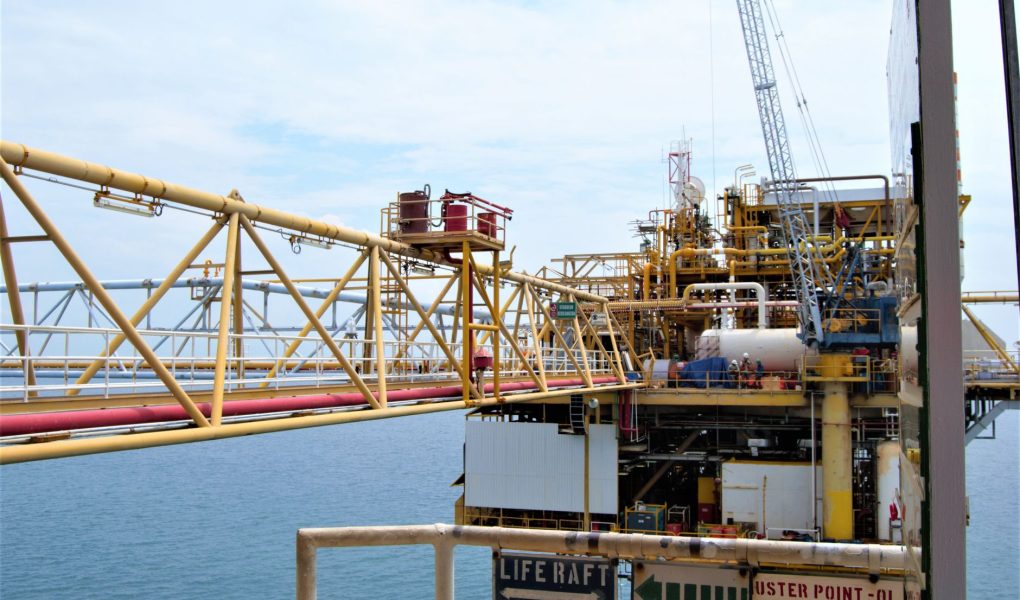
Russia oil output drop is being described as a temporary issue as refineries restart, leading to optimism in the industry.
Understanding the Russia oil output drop
The recent announcement regarding the Russia oil output drop has raised concerns among industry analysts and investors. This decline is attributed to a combination of factors, including maintenance activities at key refineries and a temporary reduction in production levels mandated by the government.
Experts believe that this situation is not indicative of a long-term trend but rather a short-term setback. As stated by Russian officials, the country’s oil production is expected to rebound as refineries come back online and operations normalize.
Several key points highlight the current situation:
- Refinery Restart: Major refineries are scheduled to resume full operations, which will significantly boost output.
- Government Policies: Recent measures taken by the government aim to stabilize production levels and support the industry.
- Global Market Impact: The temporary reduction in output is unlikely to have lasting effects on the global oil market.
In conclusion, while the Russia oil output drop may create short-term challenges, the industry is poised for recovery as infrastructure and processes return to normalcy.
Factors behind the Russia oil output drop
The recent decline in Russia’s oil output has been attributed to several key factors that suggest it may be a temporary setback for the industry. Analysts point out the following reasons:
- Maintenance Shutdowns: Many refineries have undergone scheduled maintenance, which has contributed to a short-term decrease in production levels.
- Export Challenges: Stricter sanctions and logistical issues have made it difficult for Russian oil to reach international markets, leading to a temporary reduction in output.
- Global Market Dynamics: Fluctuations in global oil prices have prompted adjustments in production strategies, causing Russia to temporarily scale back its output to manage costs.
- Seasonal Demand Variations: Seasonal changes often affect oil demand, and this year’s patterns have seen a reduction in consumption, influencing production levels.
Despite these challenges, experts remain optimistic, asserting that the Russia oil output drop is likely to rebound as refineries resume operations and market conditions stabilize.
Impact of the Russia oil output drop on prices
The recent Russia oil output drop has had a notable impact on global oil prices, with market analysts closely monitoring the situation. As production levels decrease, several factors contribute to fluctuations in pricing.
Firstly, the immediate reaction from investors has been one of caution, leading to short-term spikes in crude oil prices. This response can be attributed to concerns over supply constraints and the potential for increased competition among other oil-producing nations.
Moreover, as Russia reassures the market that the output drop is a temporary setback, other countries may adjust their production strategies to capitalize on the situation. The following points summarize the potential effects on prices:
- Increased volatility: Short-term price spikes may lead to unpredictable market behavior.
- Long-term projections: Analysts suggest that if Russia’s output stabilizes, prices may return to previous levels.
- Global supply chain shifts: Other oil producers may increase output to fill the gap created by the Russia oil output drop.
In conclusion, while the current situation presents challenges, the industry’s resilience may mitigate longer-term effects on oil prices.
Future outlook for Russia oil output drop
The future outlook for the Russia oil output drop appears cautiously optimistic as industry experts believe the recent decline is likely a temporary setback. With refineries now restarting operations, analysts anticipate a gradual rebound in production levels.
Several key factors will influence the recovery of Russia’s oil output:
- Refinery Operations: The resumption of refinery activities is expected to enhance domestic oil processing and may lead to increased exports.
- Market Demand: A rise in global oil demand, particularly from emerging markets, could provide an impetus for Russia to ramp up production.
- Investment in Technology: Advancements in extraction and processing technologies may help mitigate the impact of the output drop and improve overall efficiency.
Moreover, the Russian government has expressed confidence in the sector’s resilience. Officials are reportedly implementing strategies aimed at stabilizing production and boosting export opportunities. While the current drop is significant, the overarching sentiment remains that with strategic adjustments, the Russia oil output drop is more likely to be a blip than a long-term trend.
Expert opinions on the Russia oil output drop
Experts are weighing in on the recent Russia oil output drop, suggesting that while current declines are notable, they may not indicate a long-term trend. According to energy analysts, the recent output decrease can be attributed to a combination of seasonal maintenance and strategic adjustments by the government.
Dr. Elena Volkov, an energy economist, stated, “The output drop is primarily temporary. Refineries are scheduled to restart, and production levels are expected to recover in the coming months.” This sentiment is echoed by industry insiders who emphasize that Russia’s oil infrastructure is still robust and capable of adjusting to market demands.
Additionally, some analysts highlight the geopolitical context, mentioning that Russia’s oil output drop could serve as a tactical maneuver to navigate global sanctions while maintaining control over pricing strategies.
Overall, while the situation warrants close observation, many experts believe that the fundamentals of Russia’s oil production remain intact, and the industry is likely poised for a rebound as operational stability returns.
Comparing the Russia oil output drop to past trends
In analyzing the Russia oil output drop, it’s essential to compare current trends with historical data. Over the past decade, Russia’s oil production has experienced fluctuations largely influenced by global market dynamics and domestic policies. The recent decline, while significant, mirrors previous instances where output dipped temporarily due to external sanctions or market adjustments.
For example, during the 2014 crisis, Russia faced a sharp decline in oil production as Western sanctions took effect, leading to a drop in investment and technological access. However, the country managed to rebound within a few years as new markets were explored and production strategies adapted. Current data suggests that the recent dip may also be short-lived, especially as refineries begin to restart operations and demand rebounds globally.
Experts note that while immediate output reductions are concerning, historical trends indicate that Russia has the resilience to recover. The adaptation of infrastructure and the exploration of alternative markets could play a crucial role in mitigating the long-term impacts of the current Russia oil output drop.
Photo by Bayu Prakosa on Pexels