
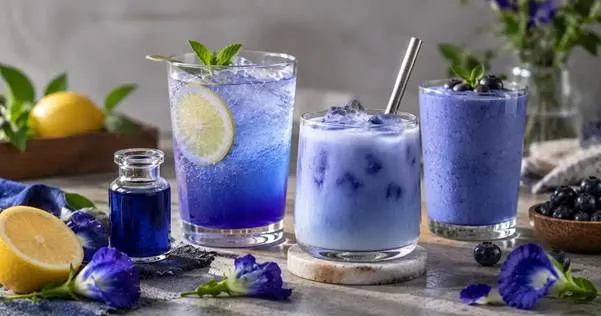
Open any fruit bowl and count the blues. Blueberries come close, but their color fades fast once you process them. Nature rarely produces stable blue pigments, which explains why this shade has been the toughest nut for clean-label teams. Two sources now get most of the attention: spirulina and gardenia blue. They solve the problem in different ways, and neither is perfect. Knowing where each one shines will save you from nasty surprises during scale-up. Let’s break down the basics first.
Why Blue Is So Rare
Most blue flowers and fruits get their color from anthocyanins, which shift with pH and break down under heat. Truly stable blues are uncommon in the plant world. That scarcity is why synthetic Blue 1 became so widely used. It held up in nearly every recipe. Formulators grew used to that reliability, and every natural option gets judged against it. Replacing it means accepting a trade-off or two, so the smart move is to understand your recipe’s limits before you choose a replacement.
Spirulina in Plain Terms
Spirulina is a blue-green microalga, and its extract carries a protein-based pigment called phycocyanin. Buyers searching for spirulina extract color usually want a bright, cool blue that reads clearly in drinks, frostings, and cold desserts. The pigment is vivid but sensitive. Strong heat can fade it, and very acidic recipes may make it cloud or turn dull. Gentle processing and cool, mild applications play to its strengths. That does not rule it out. It simply points it toward the right jobs.
Gardenia Blue’s Different Strengths
Gardenia blue comes from the fruit of the gardenia plant, where a compound reacts with amino acids to form a deep blue. In general, it handles heat, light, and acid better than spirulina does, which makes it appealing for tougher recipes such as hard candies or baked goods. Its shade can lean slightly toward the purple side, depending on how it is processed. Always judge the exact grade in your own product. Suppliers can share data on how a given grade performs.
Getting Green by Mixing
Green is its own challenge, and blue usually comes into the story. Blending a blue pigment with a yellow one, such as turmeric, produces a wide range of greens. Ratios matter a lot. A small shift in yellow can turn a minty tone into lime. Because the two pigments may age at different speeds, a blend can drift over time. Test the finished green at the end of shelf life, not only on day one. A bit of patience here pays off.
Matching Each Blue to an Application
Think of it as a job match. Cold beverages, gelatin, and frostings often suit spirulina. Hard-panned candies, baked items, and recipes with some heat may lean toward gardenia. Macarons, gum and functional drinks all have unique conditions, so there is no universal answer. Every product has its own personality, and the blue should respect it. Write down pH, temperature, light exposure, and shelf life for each product first. Then ask your supplier which blue fits that profile, and request samples to confirm.
Checking the Rules in Your Market
Color regulations change from country to country, and sometimes from year to year. A pigment allowed in one region may need extra labeling, or may be restricted somewhere else. Rules also vary by how a color is declared. Before you finalize a recipe, confirm the status of your chosen blue in each market where you plan to sell. Ask your supplier for current documentation. It is a boring task, yet skipping it can cost far more than the few hours it takes.
What a Good Test Plan Looks Like
Run the same recipe with each candidate blue and keep every other variable fixed. Keep the sample size small, but make the batches large enough to compare fairly. Record the shade right after production, after a week, and at the end of shelf life. Photograph the samples under both warm and cool light. Taste them too, because some pigments carry subtle flavors at higher doses. A clear scoring sheet keeps the discussion objective when the team meets to choose a winner.
Choosing With Confidence
Blue will probably never be completely effortless, but it is far more manageable than it used to be. Know your recipe, test honestly, and be ready to use more than one blue across your lineup. For samples and application advice across the full color range, explore foodrgb.com. A thoughtful supplier can help you move from rough idea to finished product without losing weeks to guesswork. Nothing replaces testing in your own product, with your own process, packaging, and shelf life.